The Anatomy of a Premium Cigar: The 5 Leaves Explained
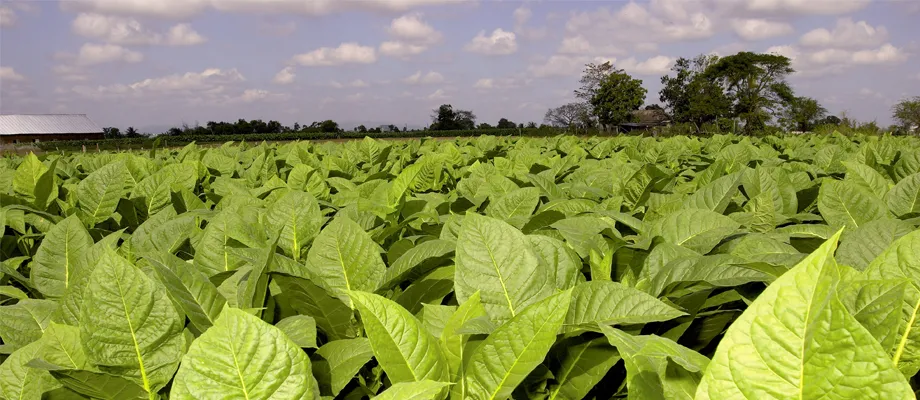
Just as a master winemaker understands how different grape varietals combine to create a grand vintage, a master cigar blender (Maestro Ligador) orchestrates specific tobacco leaves to construct a balanced, aromatic cigar.
A traditional long-filler premium cigar is composed of five distinct leaves, each originating from different primings of the tobacco plant (Nicotiana tabacum) and harvested at precise stages of maturity.
Here is the complete anatomy of a handmade cigar.
1. The Capa (Wrapper Leaf)
The Capa is the outermost leaf that wraps the cigar. Grown under fine cheesecloth canopies (tabaco tapado) to protect the leaf from direct sunlight, wrapper leaves are exceptionally silky, thin, elastic, and virtually veinless.
- Role: Provides the visual beauty, tactile feel, and between 10% to 20% of the initial palate aroma.
- Color Spectrum: Ranges from pale green/blonde (Claro/Double Claro) to reddish-brown (Colorado) and near-black fermented leaves (Maduro/Oscuro).
2. The Capote (Binder Leaf)
The Capote is the structural backbone of the cigar. Wrapped directly around the filler bunch, it must possess great tensile strength and elasticity to hold the leaves firmly inside the press mold without tearing.
3. The Tripa (Filler Leaves)
The interior heart of the cigar is called the Tripa (filler). In premium cigars rolled Totalmente a Mano, the filler consists of whole long leaves (Tripa Larga) running the full length of the vitola. It is made up of three distinct leaves:
Leaf 1: Volado (Fortaleza 1, Combustibility)
Harvested from the lowest primings of the tobacco plant. Because these leaves receive the least direct sun, they have low nicotine and mild flavor, but possess the highest combustibility. Volado ensures your cigar burns evenly without going out.
Leaf 2: Seco (Fortaleza 2, Aroma)
Harvested from the middle stalk of the plant. Seco leaves are medium in strength and are the primary source of refined, delicate aroma and subtle flavor notes (cedar, cocoa, floral tones).
Leaf 3: Ligero (Fortaleza 3, Strength & Power)
Harvested from the crown of the plant. Bathed in intense tropical sunshine, Ligero leaves are thick, dark, and packed with essential oils and nicotine. Ligero burns slowly and gives the cigar its power, spice, and lingering finish. A skilled roller always places the Ligero in the dead center of the bunch to prevent uneven burning (canoeing).
The Rare 6th Leaf: Medio Tiempo
In exceptionally rare harvests, two small leaves sprout at the very top of select sun-grown plants. Known as Medio Tiempo (Fortaleza 4), these concentrated leaves undergo extended aging and are reserved for ultra-luxury cigars like the iconic Cohiba Behike (BHK) line, delivering an unmatched depth of coffee, leather, and cream.
Explore our collection of hand-rolled Cuban Masterpieces and discover the art of the master blend.
Frequently asked questions
What are the three main components of a handmade cigar?
A handmade cigar consists of three structural layers: the Tripa (inner filler tobacco), the Capote (elastic binder leaf that holds the bunch together), and the Capa (outer wrapper leaf that gives the cigar its appearance and aroma).
What is the difference between Volado, Seco, and Ligero leaves?
Volado comes from the bottom of the plant and provides combustibility (even burn). Seco comes from the middle and provides refined aroma and medium strength. Ligero comes from the top primings exposed to intense sun, providing full strength, oils, and body.
What is Medio Tiempo tobacco?
Medio Tiempo refers to the two rare top-most leaves that sprout on select sun-grown tobacco plants. Extremely rich in nicotine and oils, they are used in exclusive luxury vitolas such as the Cohiba Behike.
Keep reading
Toro vs Robusto Cigars: Size, Flavor, and Burn Time Explained
Toro vs Robusto: which cigar vitola should you choose? Compare ring gauge dimensions, burn times, wrapper-to-filler ratios, and fl…
Read article →Vegueros CentroGordos: Modern Cuban Petit Robusto Guide
Meet the Vegueros CentroGordos: Cuba's modern 54-ring gauge petit robusto delivering rich, medium-to-full Vuelta Abajo flavors in …
Read article →
Davidoff Viaje al Origen: Exploring the Soils of the Dominican Republic
Journey into the heart of the Cibao Valley with Davidoff's Viaje al Origen, celebrating the agronomists, master blenders, and volc…
Read article →