Toro vs Robusto Cigars: Size, Flavor, and Burn Time Explained
The debate between Toro and Robusto is one of the oldest arguments in any cigar lounge, and for good reason. These two vitolas dominate premium cigar lineups worldwide, they sit close enough in size that newcomers often confuse them at a glance, yet light one up and the experience can be surprisingly different. This guide breaks down every meaningful distinction: dimensions, ring gauge, burn time, how size affects flavor development, and the practical question of which format actually suits your smoking habits. By the end you will know exactly which one to reach for and why.
Toro vs Robusto at a Glance
Spec
Robusto
Toro
Length
4.75 – 5.5 inches
6 – 6.5 inches
Ring gauge
48 – 52
50 – 54
Average smoke time
30 – 45 minutes
45 – 70 minutes
Flavor progression
Bold and immediate
Gradual, layered development
Heat to palate
Higher, heat travels less distance
Lower, smoke cools along longer column
Best for
A quick, satisfying session
A long, unhurried smoke
Market share (US, 2023)
~13.5% of premium sales
~70% of premium sales
What Is a Robusto?
The Robusto is a short, thick parejo, a straight-sided cigar with a consistent diameter from foot to head. Classic dimensions sit between 4.75 and 5.5 inches in length with a ring gauge of 48 to 52, though many modern blenders push that ring gauge up to 54 and still market the cigar as a Robusto, leaning on consumer familiarity with the name.
The word itself comes from the Spanish for “robust” or “strong,” and that etymology is not accidental. The format became widely known in the Cuban industry decades ago. The Partagas Serie D No. 4, measuring 4.875 x 50, has been in continuous production since the 1930s, but the term Robusto only entered mainstream use in the late 1980s. From there it exploded during the American cigar boom of the 1990s and held the top spot in US sales for over a decade. Cigar Aficionado famously called the 2000s “the Robusto generation.”
How a Robusto smokes
Because the cigar is short, the heat source sits closer to your lips throughout the entire smoke. That proximity concentrates the flavors and raises the perceived body, so a Robusto often tastes stronger than a longer cigar rolled with identical tobacco. The first half tends to be the boldest: earth, leather, spice, and coffee notes arrive quickly and with intensity. The draw is typically firm and full, and the smoke volume is dense. A relaxed smoker can stretch a Robusto to an hour; at a normal pace expect 30 to 45 minutes.
This combination of rich flavor and manageable time commitment is exactly why the Robusto became a default format for everyday smoking. It fits a lunch break, a post-dinner pause, or any situation where you want a complete cigar experience without a two-hour commitment. If you want to go even shorter, our Short Robusto selection trims the format down further while keeping the same dense, punchy character.
What Is a Toro?
The Toro is also a parejo, but it adds roughly an inch of length over the Robusto and often a touch more girth, landing between 6 and 6.5 inches with a ring gauge of 50 to 54. In the Habanos nomenclature you may encounter the term Corona Gorda for some Toro-format cigars; outside of Cuba the name Toro is essentially universal. The word translates as “bull” in Spanish, nodding to the format’s size and presence.
The Toro rose to prominence during the same 1990s cigar boom, initially seen as a step up from the Robusto for smokers who wanted more time with their cigar. Over the following decades it quietly overtook the Robusto in market share. By 2020 the Toro already accounted for over half of US premium cigar sales, and by 2023 that figure had climbed to roughly 70%, leaving the Robusto at around 13.5%. The shift reflects both a preference for longer sessions and the value perception of getting more tobacco for a similar price.
How a Toro smokes
The extra inch of tobacco changes the experience more than most people expect before they try it. Because the smoke travels a greater distance before reaching your palate, it cools slightly on the way, producing a smoother, less heat-aggressive draw, especially in the first third. Flavor development is gradual and layered: the opening third tends to be milder and creamier, the middle third is where complexity peaks, and the final third delivers the richest, most concentrated notes. A well-constructed Toro rewards patience. Expect 45 to 70 minutes of smoking time depending on your pace.
Blenders who offer both sizes often fine-tune the recipe between them. Keeping the same tobacco ratio in a larger ring gauge can shift the body, so many houses adjust the filler blend slightly to maintain their intended flavor target across vitolas. That means a brand’s Toro is not always just a longer Robusto; it may be its own expression of the blend. At the far end of the size spectrum, Gran Toro formats push the ring gauge even further, offering an even cooler draw and longer session for those who want to take things all the way.
The Real Differences Between Toro and Robusto
Size and ring gauge
The Robusto is shorter, typically around 5 inches, while the Toro runs around 6 inches. Ring gauge overlaps, with both commonly landing at 50 to 52, but the Toro often edges thicker at 52 to 54. That extra girth means more filler in the bunch, which gives the blender more room to layer different leaf types and contributes to the Toro’s reputation for complexity.
Burn time
Robusto: 30 to 45 minutes. Toro: 45 to 70 minutes. This is the most practical difference for most smokers. If your window for a cigar is limited, the Robusto is the more reliable choice. If you are settling in for an evening, the Toro earns its keep.
Flavor intensity vs. complexity
The Robusto is the puncher: bold flavors delivered early, higher perceived strength due to heat proximity, less transition between thirds. The Toro is the storyteller: a slower reveal, more nuanced transitions, and often a longer finish. Neither is inherently better. They serve different moods and occasions.
Heat and draw
This is the mechanical difference most smokers feel but cannot always name. A Robusto’s shorter column means the smoke arrives warmer at your palate, amplifying body and strength. The Toro’s longer column allows the smoke to shed heat as it travels, producing a cooler, smoother draw. This is why experienced smokers often describe Toros as “more refined” even when the underlying blend is identical to its Robusto counterpart.
The gray area between them
Not all cigarmakers follow the same size conventions. Some brands label a 5.5 x 52 as a Robusto; others call a 6 x 50 a Toro. The exponential popularity of large ring gauges in the US market over the last fifteen years has blurred the lines further. If you are ever in doubt, trust the label’s dimensions, not just the name. What matters is the burn time and the ring gauge that suits your palate; the category name is secondary.
Choose a Robusto if: you have 30 to 45 minutes, want bold flavor from the first light, or prefer a denser, more intense smoke.
Choose a Toro if: you have an hour or more, enjoy watching a blend evolve across thirds, or prefer a cooler and smoother draw throughout.
When in doubt: start with the Robusto from a new brand to get a concentrated read on its character, then try the Toro if you want to experience how the blend opens up over time.
Does Vitola Size Actually Change the Flavor?
Yes, and the mechanism is straightforward. Cigar flavor is the product of four variables: the tobacco leaves themselves, the concentration of smoke, airflow through the bunch, and combustion temperature. Changing the vitola size shifts the last three without touching the first.
In a Robusto the combustion zone is always relatively close to your lips, keeping smoke temperature higher. That warmth extracts certain volatile compounds more aggressively and delivers them before they have time to mellow. The result is a more immediate, sometimes sharper flavor profile. In a Toro the same compounds have more distance to travel and cool, which rounds out sharp edges and allows slower-developing aromatic compounds to emerge in the middle and final thirds.
Wrapper choice amplifies these differences further. A Maduro Robusto layers the format’s natural intensity with the earthy sweetness and cocoa notes that come from a long-fermented wrapper, producing one of the most concentrated flavor experiences in premium cigars. Its counterpart, the Maduro Toro, lets those same Maduro characteristics unfold more gradually across a longer burn, giving the sweetness time to evolve through different stages.
A now-famous informal experiment by the team at Small Batch Cigar illustrated this vividly: they cut an inch off a Toro they knew well, effectively creating a Robusto from the same tobacco. The altered cigar smoked noticeably differently, coming across as punchier and less balanced, with tasting notes that departed meaningfully from the full-length version. The Toro, smoked as intended, evolved into a richer, more layered experience. It confirmed what most experienced aficionados already suspected: the vitola is not just packaging, it is part of the blend’s design.
Frequently Asked Questions
Is a Toro stronger than a Robusto?
Not necessarily. Strength is determined by the tobacco blend, not the format. However, a Robusto often feels stronger because the shorter column delivers hotter smoke with more concentrated nicotine and flavor. A Toro made from identical tobacco will typically smoke cooler and feel smoother, even if the underlying strength is the same on paper.
What does “robusto” mean?
“Robusto” is Spanish for robust or strong. The name reflects the format’s reputation for delivering bold, full-flavored smoking experiences in a compact size. The term became widely adopted in the cigar industry during the late 1980s, though cigars of this approximate shape had been rolled in Cuba for decades prior under proprietary Habanos vitola names.
How long does a Robusto cigar last?
Most Robustos burn for 30 to 45 minutes at a steady, relaxed pace. Smokers who take their time between puffs can extend that to an hour. The exact duration depends on the ring gauge, the density of the pack, and how aggressively the cigar is smoked.
How long does a Toro cigar last?
A Toro typically lasts between 45 minutes and an hour and a quarter, with some larger-ring-gauge Toros stretching beyond that. The extra inch of tobacco over a Robusto translates directly into more smoking time, which is one of the main reasons the Toro has grown to dominate the US premium cigar market.
Are Toro and Robusto sizes standardized across all brands?
No. Cigar sizes are not governed by any universal industry standard. A Robusto at one house might measure 5 x 50 while another brand’s Robusto runs 5.5 x 54. The same variation applies to Toros. When shopping, always check the stated length and ring gauge rather than relying solely on the vitola name.
Which is better for a beginner, a Toro or a Robusto?
Either works, but many seasoned smokers recommend a mild-to-medium Robusto as a first cigar precisely because of its compact size and manageable burn time. A beginner who finds the Robusto approachable can then move to a Toro of the same blend to experience how additional length changes the smoking dynamic.
Why has the Toro overtaken the Robusto in popularity?
Several factors converged: smokers began preferring longer sessions, the Toro’s cooler and smoother draw suited the trend toward larger ring gauges, and the format offers perceived value, giving more tobacco at a price point not dramatically higher than a Robusto. By 2023, the Toro accounted for roughly 70% of US premium cigar sales, compared to the Robusto’s approximately 13.5%.
Keep reading
The Best Cuban Cigars Worth Seeking Out
There is a moment most cigar smokers remember clearly: the first time a Cuban landed in their hand and actually delivered on the p…
Read article →Are cuban cigars legal in the United States?
Important — Laws changed in September 2020 Many articles online still say it is legal to bring Cuban cigars back to the US. Those …
Read article →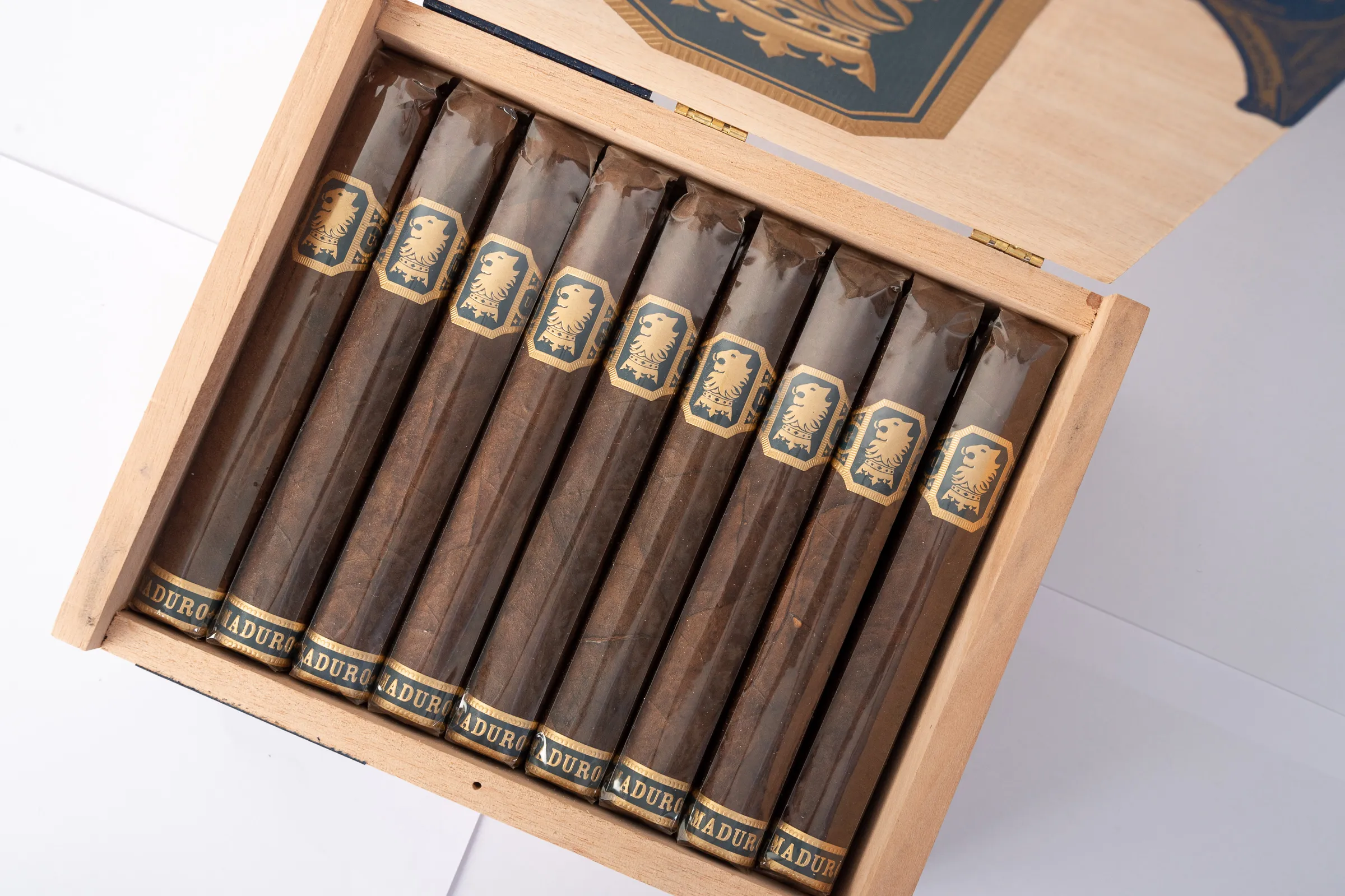
The best New World cigars in 2026: Top picks for every palate
For decades, “New World” was considered a polite consolation prize, something you smoked when you could not get a Cuban. That narr…
Read article →