The Cuban Tobacco Harvest: Vuelta Abajo Soil, Sun, and Curing
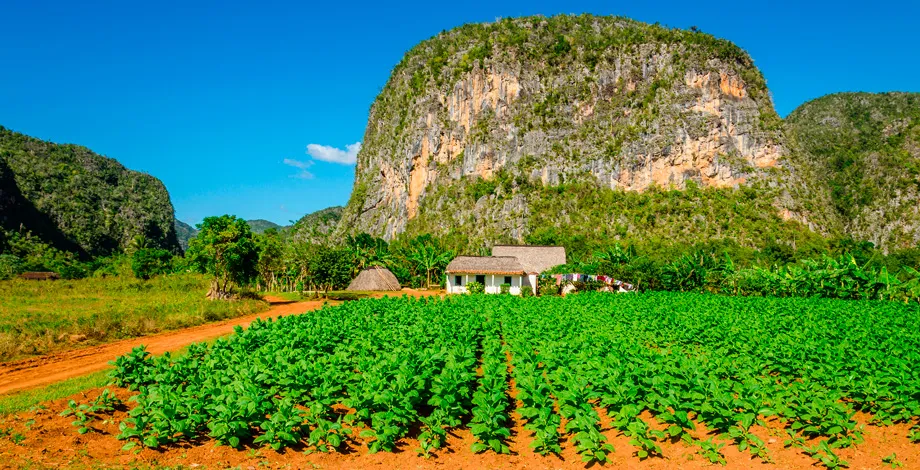
In the western province of Pinar del Río, Cuba, the cycle of tobacco cultivation is a sacred annual ritual governed by the seasons, rainfall, and tropical sun.
From the shade-grown fields (tapado) of San Juan y Martínez to the curing barns (casas de tabaco) of San Luis, here is how the world’s finest tobacco leaves are grown and cured.
1. Hand Priming the Leaves
Cigar tobacco leaves are never harvested all at once. Experienced field workers pick the leaves in pairs from the bottom of the plant upward over several weeks:
- Libre de Pie & Uno y Medio: Lowest leaves used for combustible Volado.
- Centro Ligero & Centro Fino: Middle leaves delivering aromatic Seco.
- Corona: Crown leaves delivering powerful Ligero.
2. Natural Air Curing
Once harvested, leaves are sewn in pairs onto wooden poles (cujes) and hung inside traditional thatched wooden curing barns (casas de tabaco). Over 50 days, the leaves naturally lose moisture, turning from bright green to golden yellow and finally to rich reddish-brown.
Discover our authentic Cuban Cigars at Ray’s Cigars.
Frequently asked questions
When does the tobacco harvest take place in Cuba?
In Cuba, planting begins in October/November, harvesting takes place from January to March, and curing in wooden barns (casas de tabaco) continues through May.